
Whiteboxing & Workplace Trends:
Why Sandton, Midrand, and Waterfall City Are Redefining Office Renovations
In Gauteng’s most dynamic business hubs — Sandton, Midrand, and Waterfall City — the way companies approach office spaces is changing fast. Businesses are no longer just looking for a place to work; they’re investing in flexible, future‑proof environments that attract talent, impress clients, and adapt to hybrid work models.
🔑 The Rise of Whiteboxing in Premium Nodes
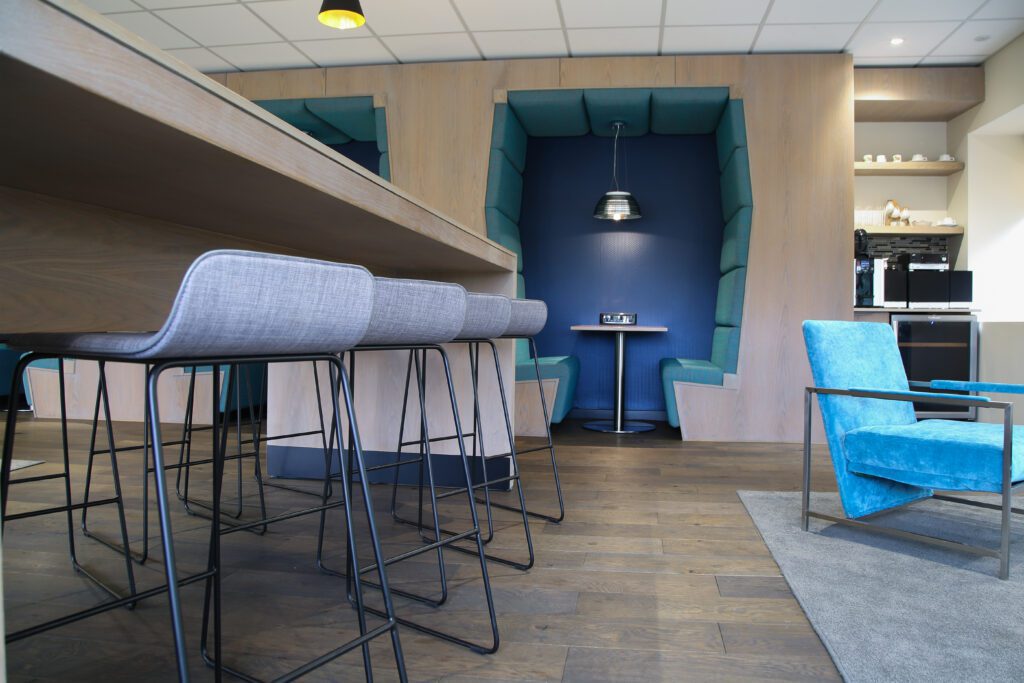
- Whiteboxing — delivering a clean, neutral, ready‑to‑customize office shell — is becoming the standard in Sandton and Waterfall City.
- Landlords and developers are offering whiteboxed spaces to give tenants freedom to design layouts that reflect their brand identity.
- For growing companies in Midrand’s tech corridor, whiteboxing reduces upfront renovation costs and accelerates move‑in timelines.
This trend is especially relevant in Sandton’s premium towers and Waterfall City’s mixed‑use developments, where businesses want agility without sacrificing prestige.
🪑 Office Furniture as a Strategic Asset
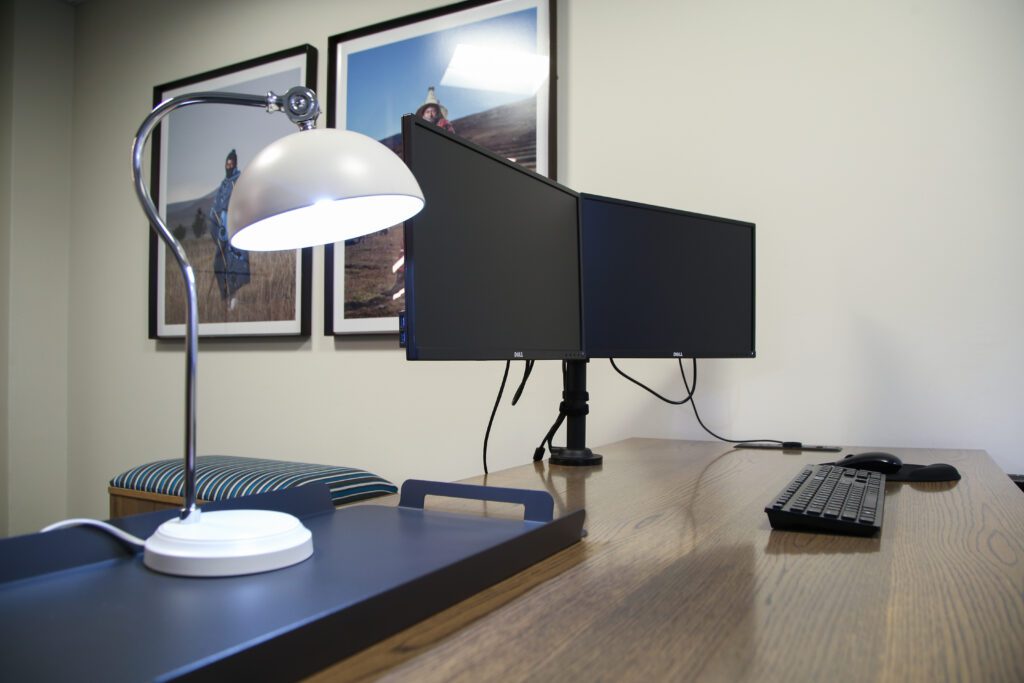
- Ergonomic, modular furniture is now seen as a performance tool, not just décor.
- Companies in Sandton’s financial district are investing in collaborative seating, acoustic pods, and height‑adjustable desks to support hybrid teams.
- In Midrand, where tech startups thrive, AI‑driven space planning tools are helping firms choose furniture layouts that maximize productivity and employee well‑being.
🛠️ Office Renovations Driving Talent Retention
- Renovations are no longer about aesthetics alone — they’re about employee attraction and retention.
- Businesses in Waterfall City are integrating biophilic design, soundproofing, and smart lighting to create healthier workplaces.
- Sandton corporates are prioritizing client‑facing boardrooms with acoustic insulation to ensure privacy and professionalism.

📈 Trending Hooks for 2025
- Hybrid work optimization: Spaces designed for both remote collaboration and in‑office productivity.
- Sustainability: Eco‑conscious materials, energy‑efficient lighting, and recycled furniture are in demand.
- AI in design: Predictive analytics for space utilization and employee comfort are shaping renovation decisions.
- Tenant Installation Allowances (TIA): More landlords in Sandton and Midrand are offering generous TIAs, making whiteboxing and renovations more accessible.
Step 1: Obtain the Tenant Criteria Document
-
The Tenant Criteria Document is issued by the landlord and outlines all information required by the landlord’s appointed architect.
-
A local interior design company will review this document and provide a fee proposal based on the outlined requirements.
Step 2: Appoint the Interior Design Company
Once the fee proposal is accepted, appoint the interior designer to begin work. The scope of work typically includes:
-
Receiving the design brief from the client’s brand/design team
-
Producing the following drawings:
-
General arrangement
-
Ceiling layout
-
Lighting layout
-
Electrical layout
-
Shopfront & elevations
-
Signage placement
(Note: Actual signage design and installation is usually by a specialist contractor.) -
Wall and floor finishes
-
Internal elevations
-
Plumbing & drainage
-
Coring layouts
-
Custom Joinery Package
If joinery items are to be manufactured locally, detailed drawings will be required. Examples include:
-
POS counters
-
Back-of-house kitchenettes and counters
-
Any items not being imported (e.g. from China)
Step 3: Design Coordination and Approvals
-
Submit all drawings to the landlord’s appointed architect for approval and circulation to the professional team.
-
Respond to queries from the landlord’s team.
-
Obtain designs from the relevant consultants for:
-
Mechanical/HVAC systems
-
Fire protection systems
-
-
Generate coordinated reflected ceiling plans incorporating these systems.
-
Resubmit updated drawings for final landlord approval.
-
Once approved, issue the final set to the client for records.
Step 4: Construction-Ready Drawings & Local Authority Submission
-
Prepare construction-ready drawings based on approved DWG files.
-
Issue these drawings for the RFQ/Tender process.
-
Support the client during tendering by:
-
Answering queries from contractors/suppliers
-
Providing recommendations based on received quotations
-
-
After contractor appointments:
-
Generate local authority submission drawings
-
Handle the submission process and approvals from relevant authorities
-
Step 5: Site Commencement & Project Management
Once the landlord’s architect has approved drawings and the project has been submitted to local authorities, site work can begin.
If required, the interior designer can project manage the site work, including:
-
Coordination of all suppliers and contractors
-
Ensuring Occupational Health & Safety compliance
-
Adhering to the shopping centre’s rules and regulations
-
Conducting weekly site meetings with contractors and issuing minutes
-
Weekly client updates regarding progress and any design issues
-
Managing the snag list and rectification process
-
Obtaining all required certificates of compliance and issuing them to the landlord
If necessary, the interior designer can also apply for the Occupation Certificate from local authorities once all work is complete and approved — a common requirement in retail lease agreements.
🚀 Why Space Design Leads the Conversation
Space Design’s expertise in office renovations, shopfitting, and furniture solutions positions them as the go‑to partner for businesses in Gauteng’s most competitive nodes. Their ability to balance brand identity, ergonomics, and budget ensures every project delivers long‑term value.
- Hybrid work optimization: Spaces designed for both remote collaboration and in‑office productivity.
- Sustainability: Eco‑conscious materials, energy‑efficient lighting, and recycled furniture are in demand.
- AI in design: Predictive analytics for space utilization and employee comfort are shaping renovation decisions.
- Tenant Installation Allowances (TIA): More landlords in Sandton and Midrand are offering generous TIAs, making whiteboxing and renovations more accessible.

